Kënë cɔl Deep Residual Shrinkage Network ee kuɛr yam cï looi bï Deep Residual Network cɔl apath. Të tïŋ wok ye thïn, Deep Residual Shrinkage Network a mat Deep Residual Network, attention mechanisms, ku soft thresholding functions bïk ya tök.
Wok a lëu bïk kuɛr ye Deep Residual Shrinkage Network luui thïn deetic ë kuɛr kënë. Tueŋ, network ee attention mechanisms luɔ̈ɔ̈i bï features cïï thiekiic yök. Ku ka, network ee soft thresholding functions luɔ̈ɔ̈i bï features kɛ̈ cïï thiekiic nyaai (bïk ya zero). Ku ë kuɛr dɛ̈t, network ee features thiekiic yök ku gɛl ke. Kuɛr kënë ee riɛl de deep neural network cɔl adït. Kënë ee network kony bï useful features yök tënë signals cï noise nɔŋ ic.
1. Kë ye kɔc cɔl aa luɔ̈i kënë (Research Motivation)
Tueŋ, noise a cïï lëu bïk paal të ye algorithm samples wääc. Akɔ̈ɔ̈n de noise kɛ̈ aa mat Gaussian noise, pink noise, ku Laplacian noise. Ku të luel wok wɛt ë path, samples a kɔ̈k nɔŋ ic wɛ̈t cïï mat kekë luɔi de classification kënë. Wok a lëu bïk wɛ̈t cïï mat kënë deetic ke ye noise. Kënë cɔl noise a lëu bï luɔi de classification cɔl arac. (Soft thresholding ee kuɛr dït apɛi tënë algorithms juëc ke signal denoising.)
Tak akɔ̈ɔ̈n kënë: të nɔŋ jam ë kuɛr gɛ̈l. Wɛ̈t ë jam kënë (audio) a lëu bï rol de tɔ̈ŋ de makiina ku rol de thiɔ̈k de makiina nɔŋ ic. Wok a lëu bïk speech recognition looi tënë signals kɛ̈. Rol tɔ̈ lɔɔŋ a bï luɔi kënë rac. Të tïŋ wok ye në kuɛr de deep learning, deep neural network a rïïl bï features ye nyuɔɔth rol de tɔ̈ŋ ku thiɔ̈k nyaai. Luɔi de nyaai kënë ee features kɛ̈ gɛ̈l bïk cïï speech recognition rac.
Ku kë de rou, adït de noise ee wääc tënë samples. Wääc kënë a looi rot aya në dataset tök ic. (Wääc kënë a thöŋ thiin kekë attention mechanisms. Tak image dataset tök. Të tɔ̈ kënë ye wïc (target object) thïn a lëu bï wääc në images yiic. Attention mechanisms a lëu bï tïŋ të tɔ̈ target object thïn në image tök ic.)
Tak akɔ̈ɔ̈n kënë: na wïc yïn ba classifier de cat-and-dog (aŋau ku jɔ̈k) piɔ̈ɔ̈c kekë images kadhiëc nɔŋ label ke ye “dog”.
- Image 1 a lëu bï dog (jɔ̈k) ku mouse (riɔ̈p) nɔŋ ic.
- Image 2 a lëu bï dog ku goose (amiwök) nɔŋ ic.
- Image 3 a lëu bï dog ku chicken (ajith) nɔŋ ic.
- Image 4 a lëu bï dog ku donkey (akaja) nɔŋ ic.
- Image 5 a lëu bï dog ku duck (atuot) nɔŋ ic. Në thää piɔ̈ɔ̈c (training), kä cïï thiekiic aa bï classifier rac. Kä kɛ̈ aa mat mice, geese, chickens, donkeys, ku ducks. Kënë a bï classification accuracy cɔl akuɔ̈r piny. Na lëu wok bïk kä cïï thiekiic kɛ̈ yök. Ka wok a lëu bïk features ye nyuɔɔth kä kɛ̈ nyaai. Në kuɛr kënë, wok a lëu bïk accuracy de cat-and-dog classifier cɔl adït.
2. Soft Thresholding
Soft thresholding ee kuɛr thiekiic apɛi tënë signal denoising algorithms juëc. Algorithm ee features nyaai na kënë cɔl absolute value de features akoor tënë kënë cɔl threshold. Algorithm ee features cɔl a lɔ thiɔ̈k kekë zero na kënë cɔl absolute value de features adït tënë threshold kënë. Kɔc piɔ̈ɔ̈c (researchers) a lëu bïk soft thresholding looi ë kuɛr de yï kënë:
\[y = \begin{cases} x - \tau & x > \tau \\ 0 & -\tau \le x \le \tau \\ x + \tau & x < -\tau \end{cases}\]Derivative de soft thresholding output tënë input ee:
\[\frac{\partial y}{\partial x} = \begin{cases} 1 & x > \tau \\ 0 & -\tau \le x \le \tau \\ 1 & x < -\tau \end{cases}\]Yï tɔ̈ nhial a nyuɔɔth lɔn derivative de soft thresholding ee 1 wala 0. Kënë a thöŋ kekë ReLU activation function. Rin kënë, soft thresholding a lëu bï gradient vanishing ku gradient exploding gɛ̈l në deep learning algorithms yiic.
Në soft thresholding function ic, të ye threshold tɔ̈ɔ̈u thïn a rïïl bï kä kerou looi. Tueŋ, threshold a rïïl bï ya positive number. Kë de rou, threshold a cïï lëu bï dït tënë maximum value de input signal. Tëdë, output abï ya zero ëbɛ̈n.
Ku aya, threshold a ŋuɛ̈n bï kë de diäk looi. Sample tök ku sample tök a rïïl bï threshold de nɔŋ, cök tɛ̈ nɔŋ noise thïn.
Kënë a looi rot rin noise a lëu bï wääc në samples yiic. Akɔ̈ɔ̈n, Sample A a lëu bï noise koor nɔŋ ic ku Sample B a nɔŋ noise dït në dataset tök ic. Në kënë ic, Sample A a rïïl bï threshold koor luɔ̈ɔ̈i në thää soft thresholding. Sample B a rïïl bï threshold dït luɔ̈ɔ̈i. Features kɛ̈ ku thresholds a cïï nɔŋ maana path në deep neural networks yiic. Lakin, kuɛr luɔi tɔ̈ piny a thöŋ. Wɛ̈t ë luel, sample tök ku sample tök a rïïl bï threshold de nɔŋ. Adït de noise yen ë threshold kënë looi.
3. Attention Mechanism
Kɔc piɔ̈ɔ̈c a lëu bïk attention mechanisms deetic apath në computer vision. Tïïŋ de läi (visual systems of animals) a lëu bï kä wääc yök ë rin ye kek piny tïŋ ajuɛ̈r. Ku ka, tïïŋ kënë ee attention de tɔ̈ɔ̈u në kënë wïc yök. Luɔi kënë ee systems kony bïk kä juëc yök. Në thää tök, systems ee wɛ̈t cïï thiekiic gɛ̈l. Wïc wɛ̈t juëc, tïŋ wɛ̈t cï gɔ̈t në attention mechanisms.
Squeeze-and-Excitation Network (SENet) ee kuɛr yam de deep learning cï attention mechanisms luɔ̈ɔ̈i. Në samples wääc yiic, feature channels wääc aa luui ë kuɛr wääc tënë classification task. SENet ee sub-network thiin luɔ̈ɔ̈i bï set of weights (kä ye thiem) yök. Ku ka, SENet ee weights kɛ̈ biɔ̈k (multiply) kekë features ke channels kɛ̈. Luɔi kënë ee adït de features tɔ̈ channel ic looi. Wok a lëu bïk kënë tïŋ ke ye luɔi de attention wääc tënë feature channels wääc.
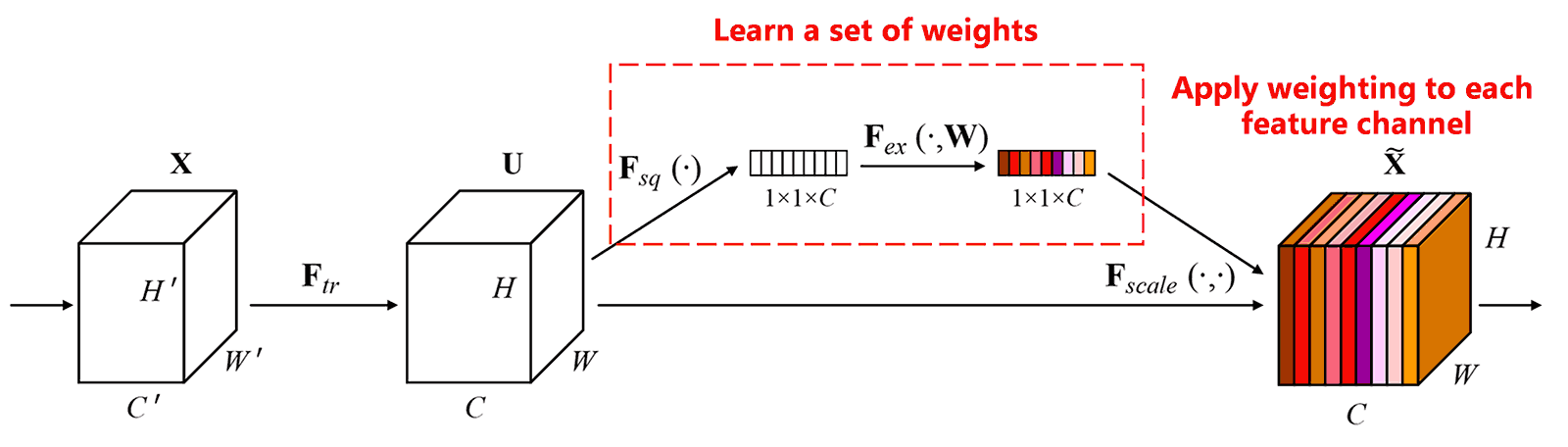
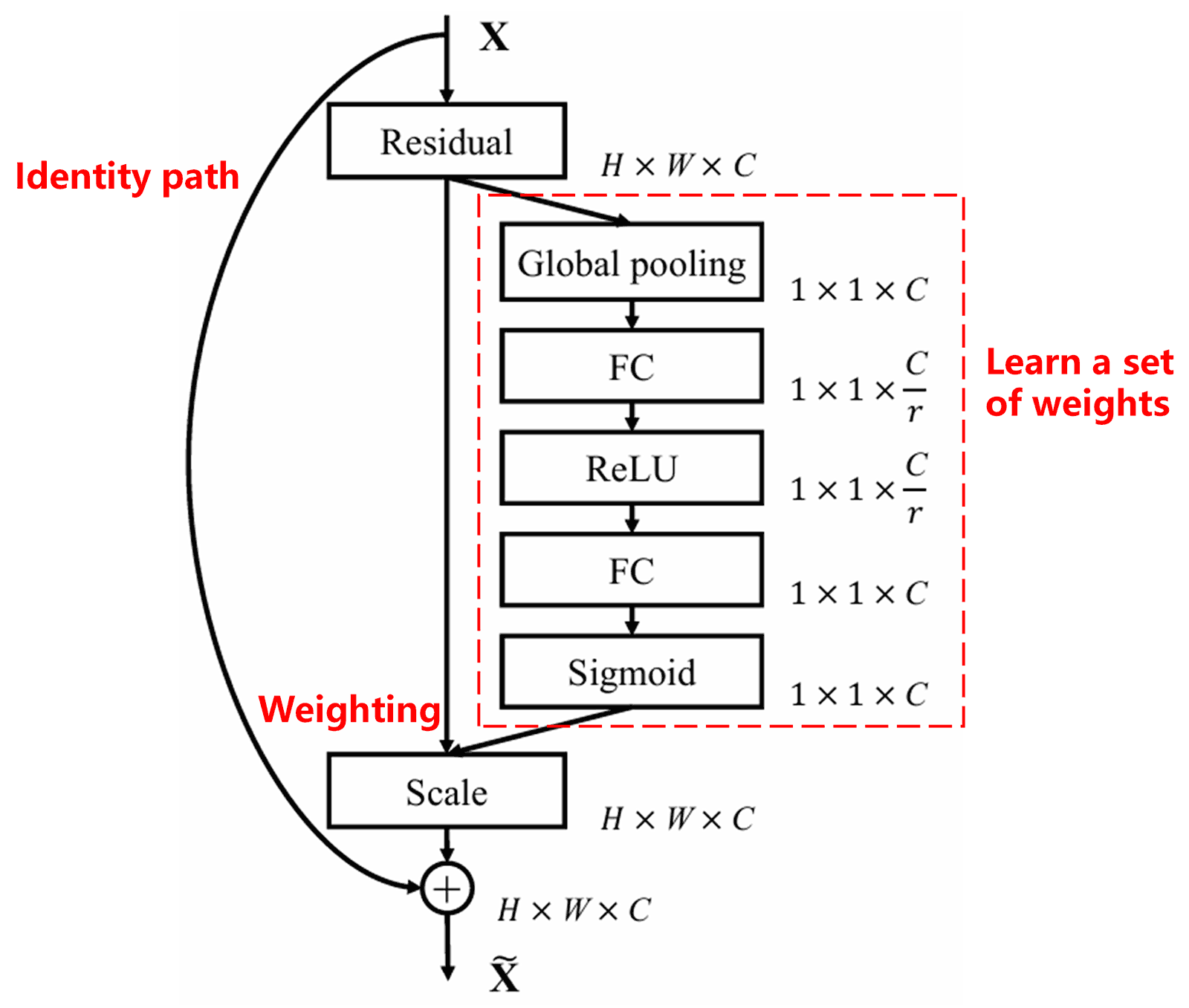
Në kuɛr kënë, sample tök a nɔŋ set of weights de. Wɛ̈t ë luel, weights ke samples kerou a wääc. Në SENet ic, kuɛr ye weights yök thïn ee “Global Pooling → Fully Connected Layer → ReLU Function → Fully Connected Layer → Sigmoid Function.”
4. Soft Thresholding with Deep Attention Mechanism
Deep Residual Shrinkage Network ee luɔi de SENet sub-network luɔ̈ɔ̈i. Network ee luɔi kënë luɔ̈ɔ̈i bï soft thresholding looi në deep attention mechanism kɔ̈u. Sub-network (tɔ̈ box many thïn) a lëu bï Learn a set of thresholds (bï thresholds juëc piɔ̈ɔ̈c). Ku ka, network ee soft thresholding looi tënë feature channel tök ku channel tök ke luui thresholds kɛ̈.
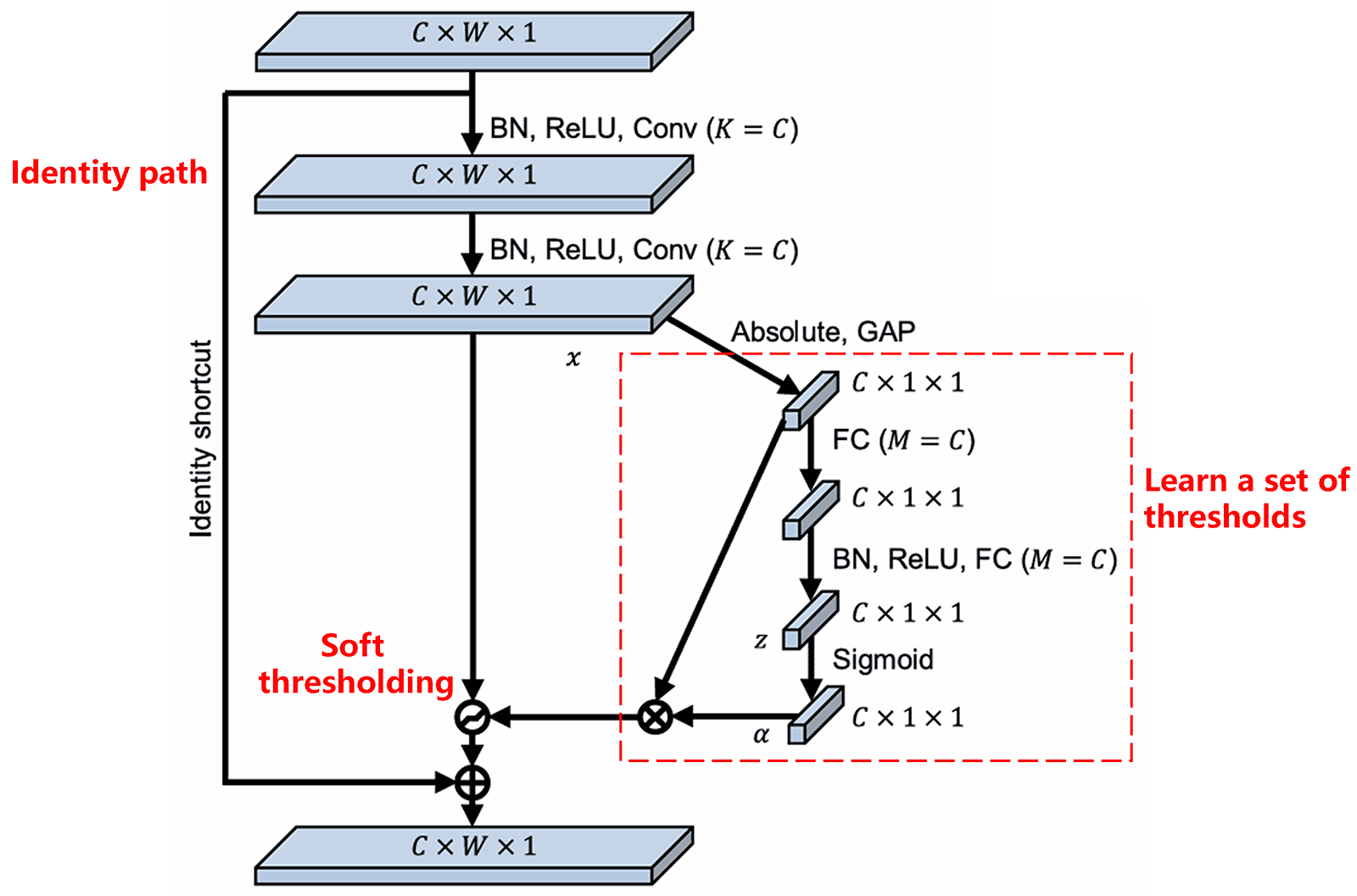
Në sub-network kënë ic, system ee absolute values ke features kedhie tɔ̈ input feature map ic kuen. Ku ka, system ee global average pooling ku averaging looi bï feature yök, cï gɔ̈t keye A. Në kuɛr dɛ̈t, system ee feature map tɔ̈ɔ̈u në fully connected network thiin ic bï global average pooling cɔl lɔ. Fully connected network kënë ee Sigmoid function luɔ̈ɔ̈i keye layer de ciëën. Function kënë ee output cɔl a tɔ̈ në kam 0 ku 1. Luɔi kënë ee kënë cɔl coefficient yök, cï gɔ̈t keye α. Wok a lëu bïk threshold de ciëën luel keye α × A. Rin kënë, threshold ee kënë ye yök të biɔ̈k yïn namba kerou. Namba tök a tɔ̈ kam 0 ku 1. Namba dɛ̈t ee average de absolute values ke feature map. Kuɛr kënë ee ye cɔl a ŋic lɔn threshold a dït tënë zero (positive). Kuɛr kënë ee ye cɔl a ŋic aya lɔn threshold a cïï dït apɛi.
Ku aya, samples wääc aa thresholds wääc yök. Rin kënë, wok a lëu bïk kuɛr kënë deetic keye attention mechanism dɛ̈t. Mechanism kënë ee features cïï mat kekë task kënë yök. Mechanism ee features kɛ̈ cɔl a lɔ thiɔ̈k kekë zero në kuɛr de convolutional layers kerou. Ku ka, mechanism ee features kɛ̈ cɔl a ya zero në kuɛr de soft thresholding. Tëdë, mechanism ee features mat kekë task kënë yök. Mechanism ee features kɛ̈ cɔl a lɔ mec tënë zero në kuɛr de convolutional layers kerou. Në ciëën, mechanism ee features kɛ̈ gɛ̈l.
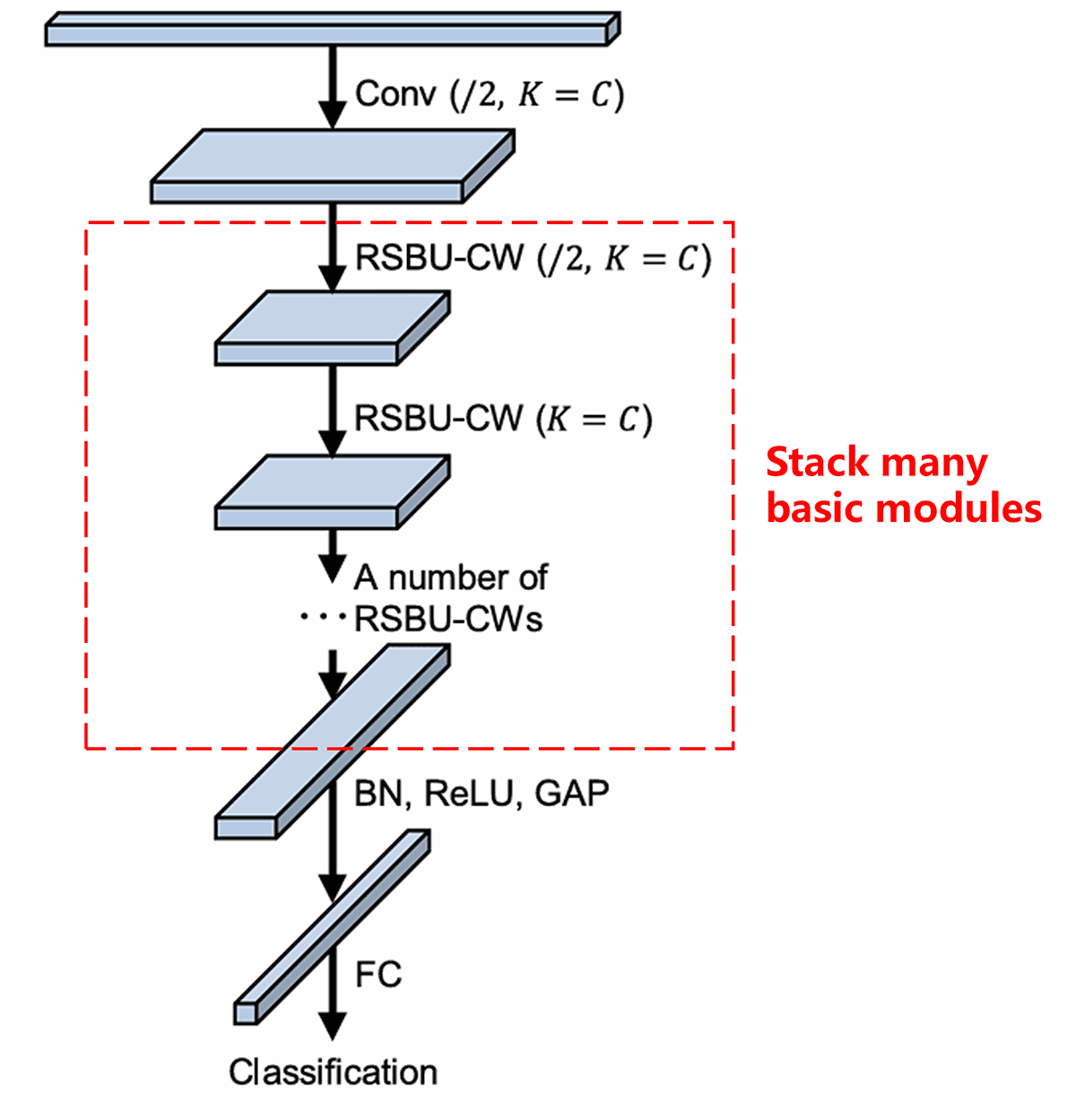
Në ciëën, wok a lëu bïk Stack many basic modules (bï modules juëc tɔ̈ɔ̈u në kɔ̈u). Wok aa convolutional layers, batch normalization, activation functions, global average pooling, ku fully connected output layers mat thïn. Luɔi kënë ee Deep Residual Shrinkage Network looi a cï thök.
5. Generalization Capability
Deep Residual Shrinkage Network ee kuɛr path tënë feature learning. Rin ee, në feature learning tasks juëc yiic, samples aa noise nɔŋ ic. Samples aa wɛ̈t cïï thiekiic nɔŋ ic aya. Noise kɛ̈ ku wɛ̈t cïï thiekiic a lëu bïk luɔi de feature learning rac. Akɔ̈ɔ̈n:
Tak image classification. Image a lëu bï kä kɔ̈k juëc nɔŋ ic. Wok a lëu bïk kä kɛ̈ deetic keye “noise”. Deep Residual Shrinkage Network a lëu bï attention mechanism luɔ̈ɔ̈i. Network a bï “noise” kënë tïŋ. Ku ka, network ee soft thresholding luɔ̈ɔ̈i bï features ke “noise” kënë cɔl a ya zero. Luɔi kënë a lëu bï image classification accuracy cɔl adït.
Tak speech recognition. Tëdït, tak të nɔŋ noise apɛi, cït jam ë kuɛr gɛ̈l wala në ɣön de luɔi (factory workshop) ic. Deep Residual Shrinkage Network a lëu bï speech recognition accuracy cɔl adït. Tëdë, network ee kuɛr path nyuɔɔth. Kuɛr kënë a lëu bï speech recognition accuracy cɔl adït.
Reference
Minghang Zhao, Shisheng Zhong, Xuyun Fu, Baoping Tang, Michael Pecht, Deep residual shrinkage networks for fault diagnosis, IEEE Transactions on Industrial Informatics, 2020, 16(7): 4681-4690.
https://ieeexplore.ieee.org/document/8850096
BibTeX
@article{Zhao2020,
  author    = {Minghang Zhao and Shisheng Zhong and Xuyun Fu and Baoping Tang and Michael Pecht},
  title     = {Deep Residual Shrinkage Networks for Fault Diagnosis},
  journal   = {IEEE Transactions on Industrial Informatics},
  year      = {2020},
  volume    = {16},
  number    = {7},
  pages     = {4681-4690},
  doi       = {10.1109/TII.2019.2943898}
}
Academic Impact
Wɛ̈t kënë (paper) a cï kɔc tïŋ ku gɔ̈t (citations) lɔ tɔ̈ŋ 1,400 në Google Scholar.
Në kuɛr de gɔ̈t cïï thök, kɔc piɔ̈ɔ̈c (researchers) a cï Deep Residual Shrinkage Network (DRSN) luɔ̈ɔ̈i në publications/studies tɔ̈ŋ 1,000 ic. Luɔi kɛ̈ aa tɔ̈ në fields juëc yiic. Fields kɛ̈ aa mat mechanical engineering, electrical power, vision, healthcare, speech, text, radar, ku remote sensing.